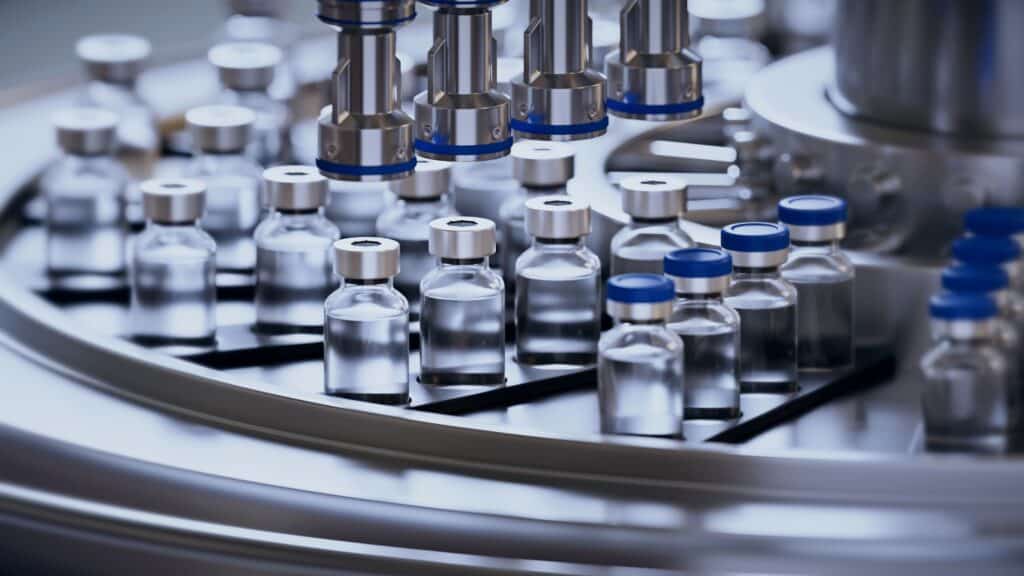
Pharmaceutical packaging testing is a critical component in ensuring the safety, efficacy, and quality of medicinal products. This process involves a series of rigorous tests to validate the materials, design, and integrity of packaging systems, protecting drugs from contamination, degradation, and physical damage.
Evaluation of packaging takes on even more importance in this time and age, when packaging materials may potentially change and technologically evolve to answer to the call for higher sustainability.
Europe
The EU regulatory framework for pharmaceutical packaging is outlined by the European Medicines Agency (EMA) and by relevant guidelines provided by the European Pharmacopoeia, the US Pharmacopoeia, and other international working groups (ICH and PQRI, to name just two of them). EMA’s “Guideline on Plastic Immediate Packaging Materials“ laid the foundation of the requirements for the selection, testing, and quality control of plastic materials used in pharmaceutical packaging, and is the baseline from which packaging testing for extractables and leachables is designed. This guideline ensures that packaging materials do not interact adversely with the drug products, maintaining their stability and efficacy throughout their shelf life.
Not only the final packaging needs to be investigated, but raw materials and polymers too: the European Pharmacopoeia (Ph. Eur.) also provides standards for packaging materials, including tests for material quality, compatibility with the drug product, and performance under various environmental conditions.
United States
The Food and Drug Administration (FDA) oversees the regulatory requirements for pharmaceutical packaging. The FDA’s Code of Federal Regulations (CFR) Title 21, Part 211, sets forth the guidelines for current good manufacturing practices (cGMP) in the manufacturing, processing, packing, or holding of drugs. Section 211.94 specifically addresses drug product containers and closures, ensuring they do not interact chemically or physically with the drug product. The FDA also provides guidance documents, such as the “Container Closure Systems for Packaging Human Drugs and Biologics“, which details the necessary considerations for selecting and testing container closure systems, including their ability to protect the product from contamination and degradation.
The US Pharmacopoeia dedicates several chapters to testing of pharmaceutical packaging (Chapters <381> and <1381> regarding elastomeric components, Chapters <661.1>, <661.2>, <1661>, <1663>, and <1664> regarding plastic polymeric packaging, Chapters <660> and <1660> regarding glass packaging): many of these chapters are considered as formal regulatory guidance, and compliance to them is an enforceable requirement.
Both EMA and FDA emphasize the importance of comprehensive testing protocols for pharmaceutical packaging.
These tests include:
1. Material Assessment: Ensuring materialsare free from contaminants and suitable for use in pharmaceutical applications.
Glass Delamination: Testing strategy according to USP <660> “Containers –Glass” and USP <1660> “Evaluation of the inner surface durability of glass containers”: – Determination of visible and subvisible glass particles – Determination of extracted elements – Characterization of glass inner surface by SEM/EDS or TEM/EDS
Passepartout studies:Extractables studies can be performed not by the drug product manufacturer, but by the packaging manufacturer too. In this case, since the packaging can be used for multiple kinds of drug products, extraction conditions are designed in order to cover a large range of possible characteristics. Passepartout studies are used to obtain a wide worst-case extractables profile of the packaging (or manufacturing component), unrelated to a drug product.
2. Compatibility Testing: Verifying that packaging materials do not interact with the drug product, which could compromise its safety or efficacy.
Global Migration: This test quantifies the total amount of substances migrating from the material into a liquid that simulates the extractive capacity of the actual product (the measure of inertia of the packaging/material). While it does not identify individual substances, it measures the overall quantity of non-volatile substances released under specified time and temperature conditions based on regulatory standards.
Specific Migration: This test measures specific substances (such as monomers, additives, metals, etc.) within the material that migrate into the simulant. These substances are intentionally added or predictable by the manufacturer and are typically declared in the supplier’s Declaration of Conformity (DoC).
NIAS: This test measures non intentionally added substances by a Non target high level multi approach (VOC, SVIC, NON VOC, METALS) that may migrate in the product.
4. Barrier Testing: Assessing the packaging’s ability to protect the drug from moisture, oxygen, light, and other environmental factors.
5. Mechanical Testing: Evaluating the packaging’s physical durability and resistance to damage during shipping and handling.
6. Microbial Testing: Ensuring the packaging can prevent microbial contamination.
For instance, the EMA guideline on plastic packaging materials requires testing for extractables and leachables, which are compounds that can migrate from the packaging into the drug product. This involves conducting studies to identify potential contaminants and assessing their impact on the drug’s safety and efficacy. Similarly, the FDA mandates that container closure systems be tested for their ability to maintain the sterility of sterile products, using integrity tests like vacuum decay or dye ingress tests.
Additionally, the International Council for Harmonisation of Technical Requirements for Pharmaceuticals for Human Use (ICH) provides global guidelines, such as ICH Q1A(R2), which addresses the stability testing of new drug substances and products, including considerations for packaging.
Sustainable Packaging in the Pharmaceutical Industry
Both regions, Europe and USA, also recognize the importance of lifecycle management of packaging systems. As new materials and technologies emerge, continuous monitoring and re-evaluation of packaging materials and designs are necessary to ensure ongoing compliance and product safety.
The pharmaceutical industry is increasingly adopting sustainable packaging solutions to meet environmental regulations and consumer demand for eco-friendly products. Sustainable packaging involves using materials that are recyclable, biodegradable, or made from renewable resources. This shift aims to reduce the environmental impact of pharmaceutical products, which often use a significant amount of packaging for safety and compliance reasons.
Key Benefits
Environmental Impact: Reduces waste and carbon footprint.
Biodegradable Materials: Packaging that breaks down naturally.
Recyclable Materials: Easily processed and reused in manufacturing.
Renewable Resources: Packaging made from sustainable sources like plant-based plastics.
Implementation Strategies
Material Selection: Choosing eco-friendly materials that ensure product safety and efficacy.
Design Innovations: Creating packaging that uses less material while maintaining integrity.
Lifecycle Assessment: Evaluating the environmental impact from production to disposal.
Material Safety: Ensuring materials are safe and compliant.
Green Claims: Supporting accurate environmental claims about packaging.
Testing Services: Offering biodegradability, compostability, and migration testing.
Compliance Documentation: Providing necessary documents to meet legal requirements.
Technological Support: Advanced methods for evaluating packaging performance.
The shift towards sustainable packaging is not only beneficial for the environment but also aligns with the pharmaceutical industry’s goals of safety, compliance, and innovation. By adopting these practices, the industry can contribute to a more sustainable future while maintaining the high standards required for pharmaceutical products.