Edible insects, a staple in numerous countries across Asia, Africa, and South America, face a different reception in Europe. The European population meets insects with reluctance and a degree of aversion. Presently, insect consumption constitutes a niche market within the EU.
Novel Foods and Environmental Benefits
In the past decade, driven by surging global population growth, increased food demand, and heightened environmental consciousness, edible insects have gained recognition as a sustainable and nutritious food source. However, in Europe, both edible insects and insect-based ingredients are classified as novel foods. This categorization is because their significant consumption by humans within the EU did not occur before 1997.
The environmental advantages of cultivating insects for food stem from:
- Their high feed conversion efficiency,
- Reduced greenhouse gas emissions,
- Lower water and arable land usage,
- The promotion of insect-based bioconversion as a viable solution for curbing food waste.
For more info on the Novel Food approval process, click here & download our Novel Food brochure:

Nutritional Value, Impact, and Market Outlook
According to the FAO, insects boast a rich nutritional profile with elevated levels of fat, protein, vitamins, fiber, and minerals. Consequently, they emerge as an alternative protein source, fostering a shift toward healthier and more sustainable diets. This shift is driven by factors such as the escalating cost of animal protein, food insecurity, environmental pressures, population growth, and growing protein demands among the middle class. Hence, there is a pressing need to explore alternative solutions to conventional livestock.
Consuming insects not only positively impacts the environment but also contributes to improved health and livelihoods. Furthermore, insects can serve as a sustainable feed source for livestock, aiding in increased food production without imposing undue burdens on the environment (known as indirect entomophagy).
Currently, the primary market for insects lies in the feed sector, encompassing applications in pet food and livestock feed production. Nevertheless, a significant surge in the edible insect market for human consumption is anticipated in Western Europe. In this region, the preliminary focus seems to be on insect-based ingredients. This marks the initial steps toward broader acceptance and integration of insects into Western diets.
Types of Edible Insects
These are the insect species approved in the EU:
- Frozen, dried, and powder forms of yellow mealworm (Tenebrio molitor larva)
- Frozen, dried, and powder forms of Locusta migratoria
- Frozen, dried, and powder forms of Acheta domesticus (house cricket)
- Acheta domesticus partially defatted powder
- Frozen, paste, dried, and powder forms of Alphitobius diaperinus larvae (lesser mealworm)
Currently, there are several applications for insects intended to be marketed in different forms, which are subject to a safety evaluation by EFSA.
Our Services Dedicated to Edible Insects

Insects Safety and Quality
EFSA has conducted several risk assessments to address the novel food applications of edible insects, concluding that the consumption of the approved insects is safe.
However, EFSA has stated that insect proteins may potentially lead to allergic reactions, particularly in individuals with pre-existing allergies to crustaceans, dust mites, and, in some cases, mollusks. Additionally, allergens from the feed (e.g., gluten) may end up in the consumed insect.
Therefore, the authorization of these insects as novel food clarifies this issue and establishes specific labeling requirements regarding allergenicity for some of the approved insects.
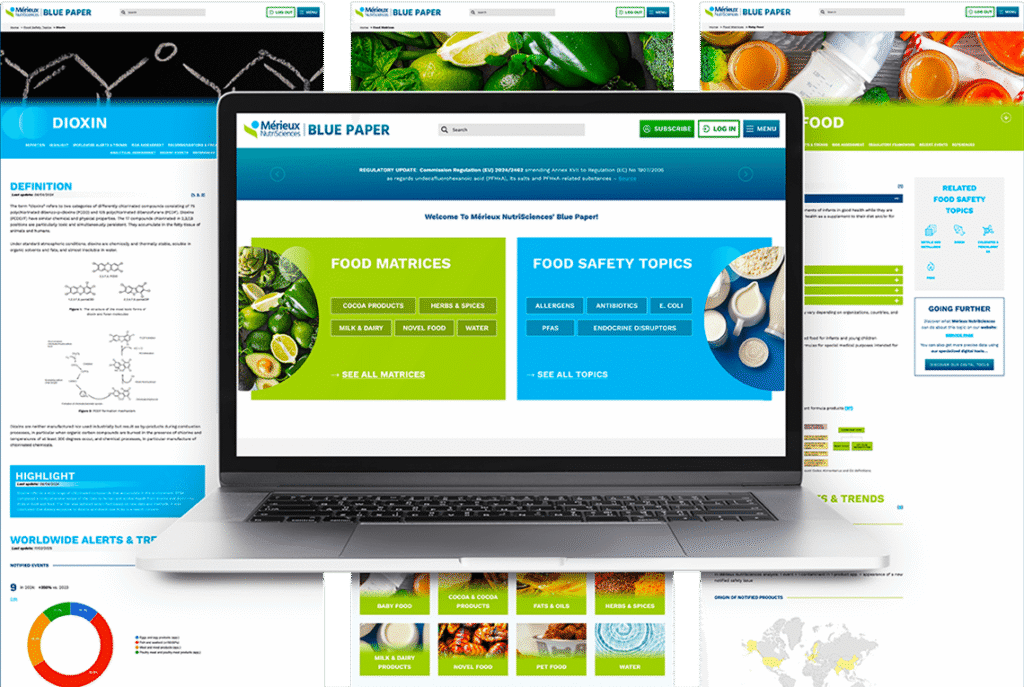
Blue Paper: Novel Food
Access exclusive insights from our Novel Food experts on the Blue Paper platform, including analyses of food safety, quality and sustainability trends and regulatory updates.