Sludges, new rules: ensure your PFAS Compliance
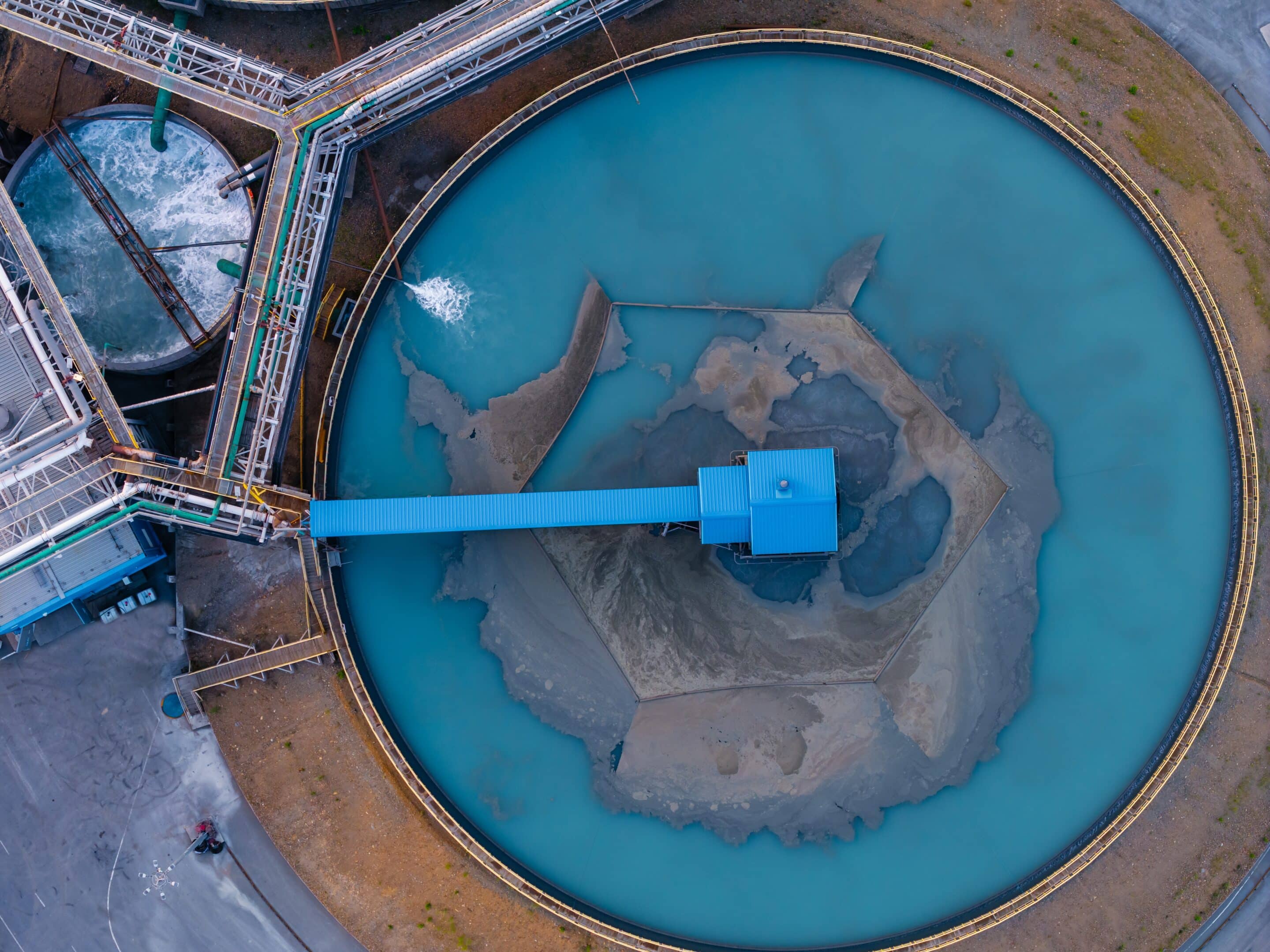
The French government has launched an urgent initiative to combat PFAS (“forever chemicals”) contamination in the agricultural supply chain through an interministerial circular. Signed by the Ministers of Ecological Transition and Health, the policy enforces strict monitoring and emergency management rules for sewage sludges destined for farmland.
Sludges: the Agricultural Risk
Because PFAS accumulate in wastewater, they end up in sewage sludge. This is a critical issue for France, where 75% of urban sludge and 60% of industrial sludge is recycled as agricultural fertilizer, risking the contamination of soil, waste and underground water, food, and drinking water.
At Mérieux NutriSciences we are focusing on public health and Food safety. Consequently, we support with our analytical expertise to understand the behavior of PFAS in the environment.
Phased Monitoring: when and what
Regional authorities must mandate a 12-month, quarterly testing campaign covering 52 PFAS compounds (including TFA)
The circular adopts temporary safety limits based on Walloon (Belgian) standards: a maximum of 40 μg/kg of dry matter for 6 high-risk PFAS, and 400 μg/kg for 22 combined PFAS compounds.
If a facility exceeds these thresholds (or European POP regulation limits, which require immediate sludge incineration), the operator must stop agricultural reuse and investigate about the pollution.
After the monitoring, permanent ministerial decrees will be issued by Summer 2026 to establish a definitive statutory framework starting January 1, 2027.
Mérieux NutriSciences can help
With over a decade of experience in analyzing PFAS within environmental matrices, MXNS can test and support your compliance needs, providing analytical services on PFAS in sludges, soil, vegetables, water, and other matrices connected to environment, food, packaging, cosmetics, pharmaceuticals and consumer goods.