Plant toxins are toxic secondary metabolites produced by some plants as a natural defense against herbivorous animals, microorganisms, insects, or other plants. These toxins have toxic and repellent effects and can accumulate in various parts of the plant (leaves, seeds, flowers, roots). As a result, plant toxins may naturally occur in food and feed, as well as in weeds and ornamental plants.
Plant toxins may be naturally present in some foods or feeds, or they may occur due to possiblecross-contamination in the field, during harvest, or transport. Contaminated edible crops can carry them in the food chain or animals can transfer them through feed to humans, causing serious health consequences. Some plant toxins can cause chronic diseases due to their genotoxic, carcinogenic, and teratogenic properties. Others have acute toxicity causing hepatic veno-occlusive diseases or hallucinogenic effects. The plant toxins of greatest dietary interest include Tropane Alkaloids, Pyrrolizidine Alkaloids, Glycoalkaloids, Calystegine, Opium Alkaloids, and Cannabinoids, most commonly found in cereals, herbs, spices, tea, infusions, and honey.
Risk Assessment of Plant Toxins
EFSA’s expert panels have conducted scientific analyses and exposure studies to support the European Commission’s decision to set maximum permitted levels of certain plant toxins for certain foods. These include:
In the EU, Regulation (EU) 2023/915, which sets maximum levels for certain contaminants in foodstuffs, is the reference standard for plant toxins in food. This regulation is subject to constant updates, as Food Safety Authorities collect data and conduct studies and evaluations. In 2020 and 2021, stricter limits were introduced for Pyrrolizidine Alkaloids, Tropane Alkaloids, Ergot Alkaloids, and Opium Alkaloids.
Mérieux NutriSciences: Comprehensive Service for Plant Toxins
Mérieux NutriSciences is a reliable partner for the determination of plant toxins in food and feed. We offer dedicated HPLC/MS methods for the determination of:
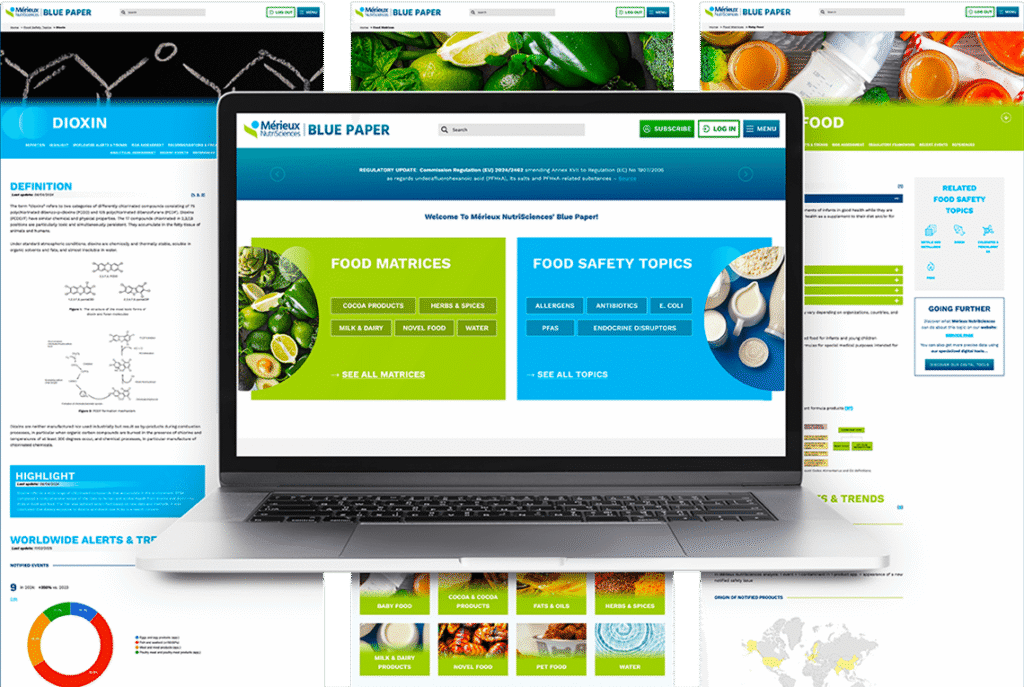
Access exclusive insights from our Plant Toxins experts on the Blue Paper platform, including analyses of food safety, quality and sustainability trends and regulatory updates.