Tracking Lead in Cinnamon: Sources & Solutions

Discover the hidden risks of lead contamination in popular spices like cinnamon and learn how regulatory actions aim to safeguard consumer health.
Spices like cinnamon are beloved kitchen staples, but recent studies reveal a hidden risk: lead contamination. In 2021, research showed that over one-third of spices tested, including cinnamon, contained high levels of heavy metals like lead, arsenic, and cadmium, which pose serious health risks.
An FDA report from 2022 further found that some cinnamon products exceeded safe lead thresholds, with lead levels especially concerning for children due to their heightened vulnerability to neurotoxic effects.
The EU RASFF system communicated four alerts from 2023 to November 2024 for ground cinnamon from Vietnam exceeding maximum lead limits. Alerts also addressed other spices like cardamom, turmeric, onion powder, and curcuma.
Lead Sources in Spices: A Closer Look
The journey from farm to table reveals several sources of lead contamination:
- Cross-Contamination: Heavy metals can spread between batches in facilities that handle multiple products without proper cleaning protocols.
- Inadequate Regulatory Enforcement: Insufficient oversight in certain areas allows contaminated spices to enter global markets without adequate screening.
- Soil Contamination: Industrial pollution and the legacy of leaded gasoline have left high levels of lead in soil, which plants absorb through their roots, eventually ending up in spices.
- Water Contamination: Contaminated irrigation water from industrial discharge or lead-containing pipes can introduce lead directly into plants during cultivation.
- Processing and Adulteration: In some regions, lead-based compounds are illegally added to intensify spice color, making them look more vibrant but unsafe. While this is often seen in turmeric and chili powder, cinnamon is also at risk.
Regulatory Actions Against Lead in Spices
Codex Alimentarius
In 2004 (revised in 2021), the Codex Alimentarius published a Code of Practice for the prevention and reduction of lead contamination in foods, including spices.
European Union
The European Commission set maximum lead levels in August 2021 for various foods, including wild mushrooms, fresh turmeric, fresh ginger, and dried spices such as bark spices (e.g., cinnamon).
United States (FDA)
The U.S. Food and Drug Administration (FDA) issued Import Alert 99-19, a Detention Without Physical Examination (DWPE) notice specifically addressing heavy metal contamination in food products, including spices. This alert identifies and detains imported products containing unsafe levels of metals like lead, arsenic, cadmium, and mercury.
By issuing DWPE through Import Alert 99-19, the FDA aims to prevent contaminated spices and other food products from entering the U.S. market, safeguarding public health from the risks associated with heavy metals like lead.
Ensuring Spice Safety with Mérieux NutriSciences
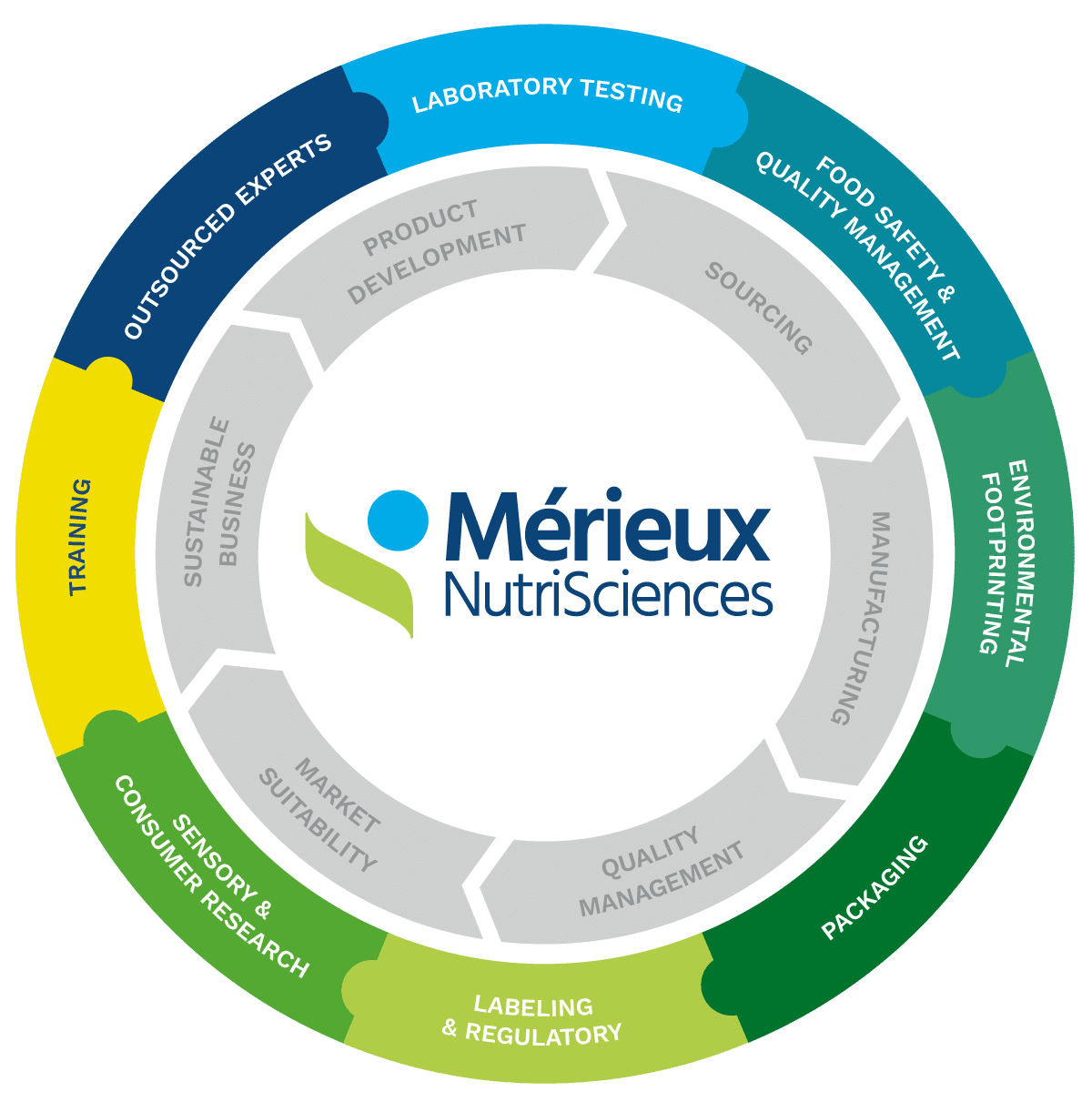
At Mérieux NutriSciences, our Import-Export Services assist spice importers in meeting the EU and FDA’s rigorous standards. Through accredited testing and verification, we help ensure that spices pass all necessary quality checks before hitting store shelves. This protects both consumers and companies from potential health risks and costly delays.
By connecting importers with our accredited labs, we work to keep hidden hazards out of your pantry and safeguard public health as demand for spices grows.