Chlorates (ClO₃⁻) and perchlorates (ClO₄⁻) are chlorine-based oxyanions commonly found as environmental contaminants. Perchlorates are more oxidized than chlorates, and both are highly soluble in water, allowing them to persist in soil and groundwater, and to act as potential contamination sources of food and water. Their presence in food raises growing safety concerns across the Globe.
Definitions
Perchlorates (ClO₄⁻) are salts of perchloric acid, naturally present in the environment in mineral deposits or formed in the atmosphere. They can accumulate in soil and groundwater and may also result from nitrogen fertilizers, industrial uses (e.g., rocket propellants, fireworks), and water disinfection with sodium hypochlorite. They are also used in pharmaceuticals and in the production of food contact materials.
Chlorates (ClO₃⁻) are salts of chloric acid. Sodium and potassium chlorates were previously used as herbicides but are no longer authorized in Europe since 2008. Today, contamination mainly occurs due to the industrial use of chlorinated water, chlorine-based disinfectants, and additives. Chlorates can also originate from fireworks when combined with highly combustible substances.
Key Sources of Chlorate and Perchlorate Contamination in Food
Environmental Sources
Perchlorate in food often originates from:
Soil and groundwater containing atmospheric or industrial perchlorate
Use of ammonium perchlorates in fertilizers
Disinfection by-products from sodium hypochlorite
Chlorate in food primarily stems from:
Chlorinated water used in food rinsing or sanitation
Industrial use of chlorine-based disinfectants
Legacy contamination from herbicides (no longer approved in the EU since 2008)
Agricultural and Food Processing Practices
Use of chlorinated water for irrigation and washing crops
Application of fertilizers containing perchlorates
Migration from food contact materials treated with chlorinated sanitizers
Why Chlorate and Perchlorate in Food Matter
Both compounds are known to disrupt iodine uptake by the thyroid, posing significant endocrine risks, especially for vulnerable populations like infants, children, and pregnant women.
Chronic exposure may lead to:
Thyroid hormone imbalance
Hypothyroidism
Metabolic and neurological issues
Acute exposure can limit the blood’s oxygen-carrying capacity and potentially lead to kidney dysfunction.
2020: Regulation (EU) 2020/749 amended MRLs under Regulation (EC) 396/2005 – Focused on protecting infants and young children – Chlorate MRLs set as low as reasonably achievable (ALARA) due to origin in water sanitization, not pesticides
Perchlorates mainly come from contaminated groundwater, fertilizers, and disinfection by-products such as sodium hypochlorite used in water treatment.
Are chlorates still used in agriculture?
No, sodium and potassium chlorates were banned in the EU for plant protection since 2008. Today, chlorate contamination mostly results from the use of chlorinated water and disinfectants in food production.
What foods are most affected by chlorate and perchlorate contamination?
High-risk foods include fruits, vegetables, water, dairy products, infant formulas, coffee, tea, and cereals — especially those exposed to chlorinated water during processing.
How are chlorate and perchlorate detected in food?
We use advanced LC-MS/MS techniques to detect these substances in a wide range of food products, following internationally accredited standards.
Is there a regulation limiting chlorate and perchlorate in food?
Yes. The EU has set MRLs for chlorates and perchlorates in several food categories, especially those consumed by infants and children, to minimize thyroid-related health risks.
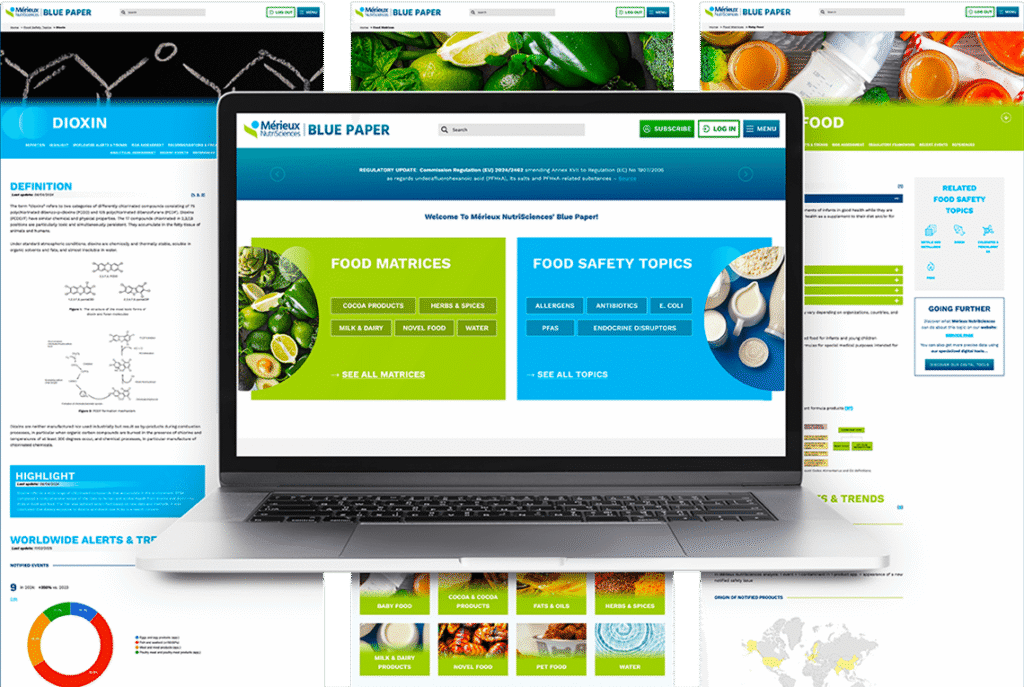
Access exclusive insights from our Chlorates & Perchlorates experts on the Blue Paper platform, including analyses of food safety, quality and sustainability trends and regulatory updates.